Introduction: The Precision Imperative
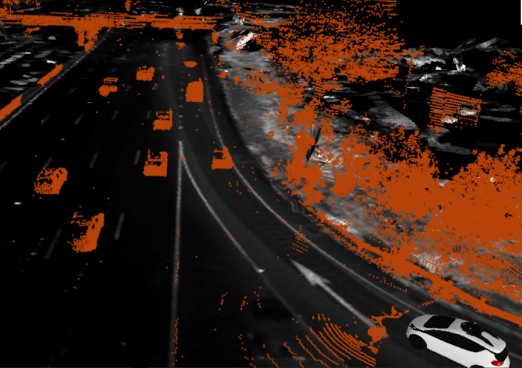
In the world of autonomous vehicle development, a single centimeter can make the difference between safety and catastrophe. LiDAR annotation accuracy isn't just a performance metric-it's a fundamental requirement for building AI systems that humans can trust. As companies scale their autonomous fleets and robotics operations, the demand for millimeter-precision point cloud labeling continues to accelerate.
Understanding Millimeter-Precision Annotation
Millimeter-precision annotation means labeling 3D point cloud data with sub-centimeter accuracy-typically within 5-10mm tolerances for autonomous driving applications. This level of precision requires:
- Expert Domain Knowledge: Annotators must understand vehicle dynamics, sensor characteristics, and perception model requirements
- Advanced Tools & Calibration: Sophisticated 3D annotation platforms with precise measurement capabilities
- Rigorous QA Protocols: Multi-layer verification ensuring consistency across entire datasets
- Continuous Training: Regular refresher training on evolving industry standards and sensor technologies
Key Practices for Achieving Sub-Centimeter Accuracy
1. Sensor Calibration & Characterization
The foundation of precise annotation begins before annotation starts. Understanding your specific LiDAR sensor's characteristics-beam divergence, return patterns, reflectance sensitivity-enables annotators to handle edge cases correctly and maintain consistency across frame sequences.
2. Frame-by-Frame Quality Verification
Rather than batch-reviewing completed annotations, implement real-time verification systems that flag potential issues immediately. Machine learning-assisted QA tools can identify annotations outside statistical norms, helping catch errors before they propagate through your dataset.
3. Consistency Across Frame Sequences
Autonomous systems process video sequences, not isolated frames. Annotations must maintain spatial and temporal consistency. Objects shouldn't teleport between frames; tracking IDs must remain stable. Sequence-level verification prevents the catastrophic annotation errors that can catastrophically impact model performance.
4. Edge Case Handling Protocol
Define strict protocols for challenging scenarios: occlusions, truncations, overlapping objects, and sensor artifacts. Inconsistent handling of edge cases is a leading cause of annotation-related model failures. Establish clear decision rules and train all annotators to handle these scenarios identically.
Technology Stack for Precision Annotation
Modern millimeter-precision annotation requires sophisticated tools:
- 3D Annotation Platforms: CVAT, Supervisely, Scale AI, or custom tools with sub-millimeter measurement capabilities
- Point Cloud Viewers: Advanced visualization tools allowing multi-angle inspection and detailed measurement
- ML-Assisted QA: Automated consistency checks, outlier detection, and annotation validation
- Version Control & Audit Trails: Track all changes for accountability and quality assurance
Measuring & Reporting Accuracy Metrics
Accuracy metrics should be specific and meaningful:
- Bounding Box IoU (Intersection over Union): Typical target: >0.95 IoU for autonomous vehicles
- Centroid Distance: Measure object center accuracy (target: <50mm)
- Dimension Accuracy: Compare annotated vs. reference dimensions
- Consistency Scoring: Frame-to-frame variance in object positions and dimensions
ROI & Business Impact
Investing in millimeter-precision annotation delivers measurable returns:
- Reduced model retraining cycles due to higher data quality
- Faster deployment timelines with fewer edge-case failures in production
- Improved model performance: every 1% accuracy improvement can add 10-15% to network performance
- Lower long-term costs through prevention of costly model failures
Conclusion: Precision as Competitive Advantage
Millimeter-precision LiDAR annotation is no longer optional-it's table stakes for serious autonomous vehicle and robotics programs. Companies that invest in rigorous annotation practices today will deploy safer, more capable AI systems tomorrow. As the autonomous vehicle industry matures, annotation quality will increasingly separate winners from followers.
Ready to scale your dataset with millimeter-precision annotations? Contact Kinetic LiDAR Labs today to discuss your project requirements.